Climb the legendary peak that defines true mountaineering.
Join the Annapurna I Expedition, an elite mountaineering challenge to the world’s tenth-highest peak at 8,091m. Known for its dramatic beauty and extreme difficulty, Annapurna I stands as one of the most dangerous yet rewarding 8,000ers in the Himalayas. With its historical legacy, avalanche-prone slopes, and technical North Face route, this expedition offers a rare opportunity for skilled climbers seeking one of the most respected summits in mountaineering history.

Trip Grade
Strenuous

Duration
41 Days

Max Elevation
8091m

Group Size
1-10 Pax

Accommodation
Hotels, Lodges & Tent

Transporation
Private vehicle & Air

Start / End
Ktm/Ktm

Rising to an elevation of 8,091 meters, Annapurna I stands as the tenth-highest mountain in the world and one of the most formidable challenges in high-altitude climbing. Located in the heart of the Annapurna Range of central Nepal, this majestic peak embodies raw Himalayan power with its massive walls, sweeping glaciers, and unpredictable conditions. The mountain's Sanskrit name, meaning "Goddess of Nourishment," evokes abundance and fertility, yet for climbers, Annapurna I represents hardship, thin safety margins, technical obstacles, and a level of danger that few peaks in the world can match. Its slopes are revered for their beauty, but equally feared for the difficulty and precision required to climb them.
Annapurna I holds a legendary place in mountaineering history because it was the first 8,000-meter peak ever summited. On June 3, 1950, Maurice Herzog and Louis Lachenal of France reached its summit after an expedition marked by extreme weather, intense physical suffering, and unbreakable determination. Their achievement, completed before teams stood on the tops of Everest or any other 8,000er, became a defining moment in Himalayan exploration. Since then, Annapurna I has continued to challenge climbers from around the world, maintaining one of the highest fatality rates among the 8,000ers due to its avalanche-prone slopes and volatile weather patterns. Even experienced mountaineers approach Annapurna with deep respect, knowing that its risks are real and its technical demands relentless.
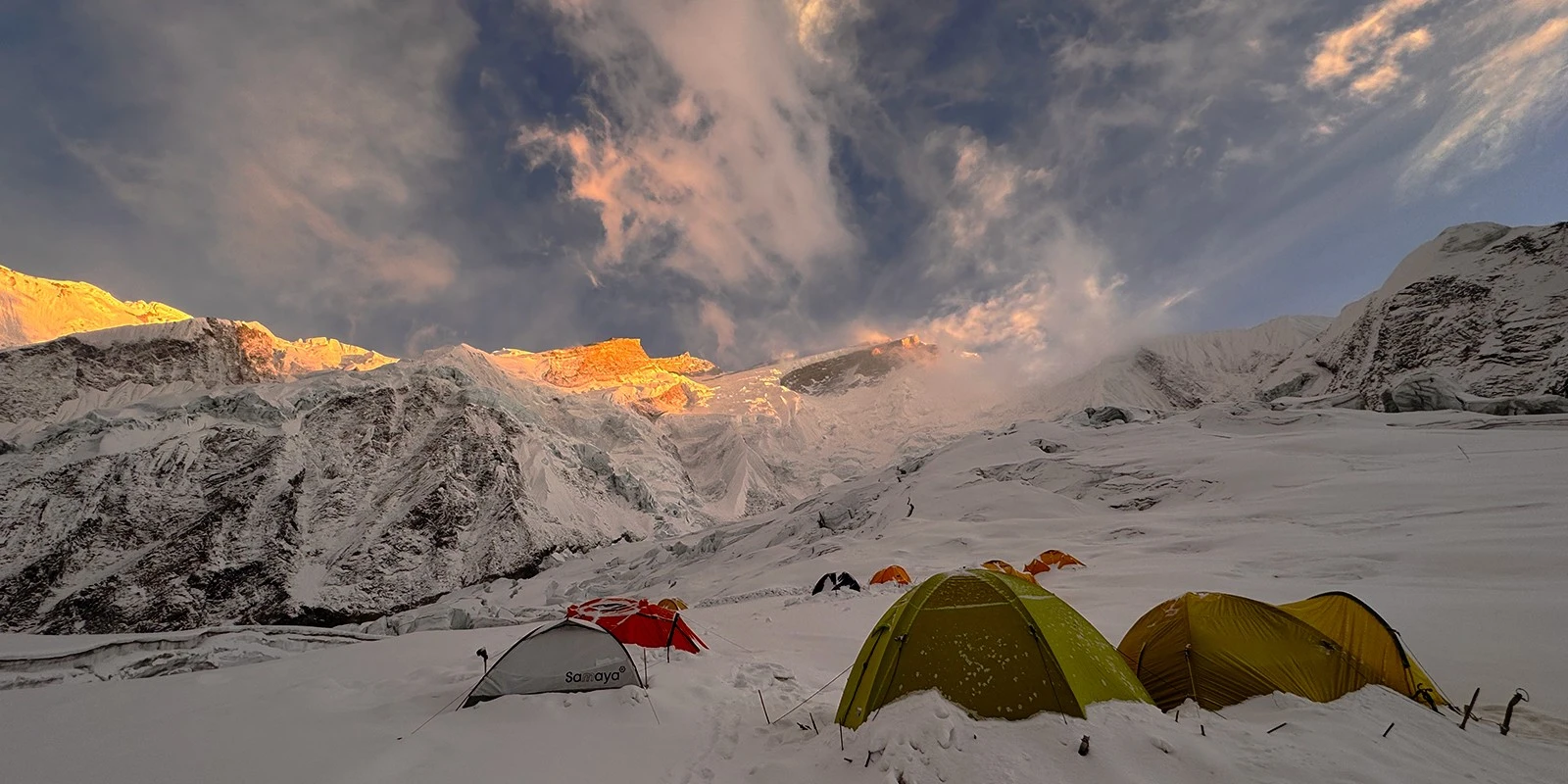
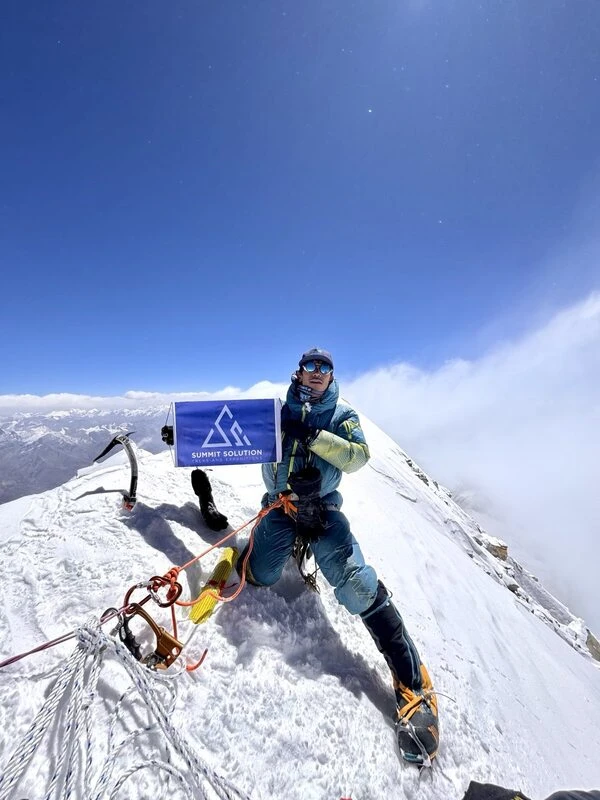
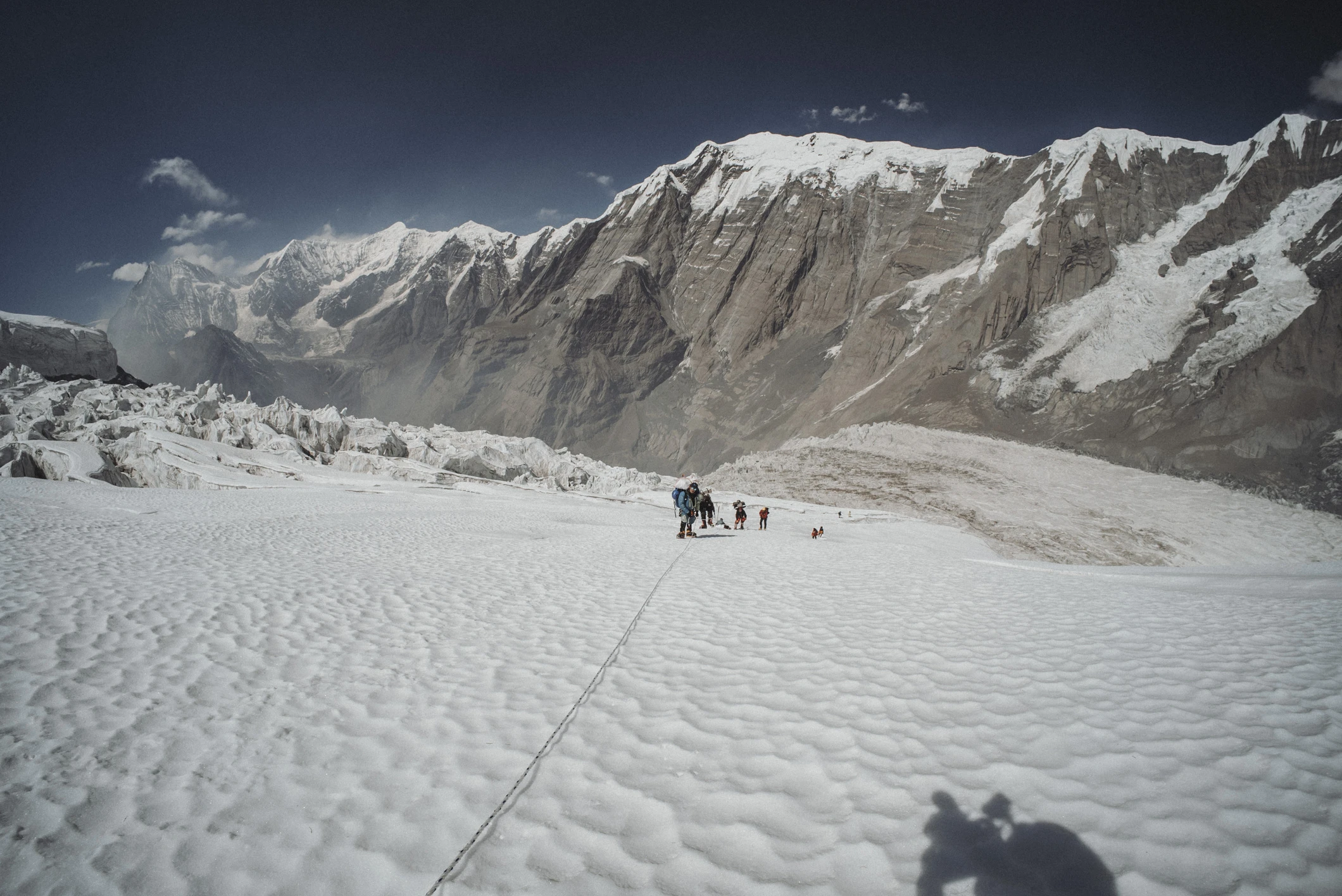
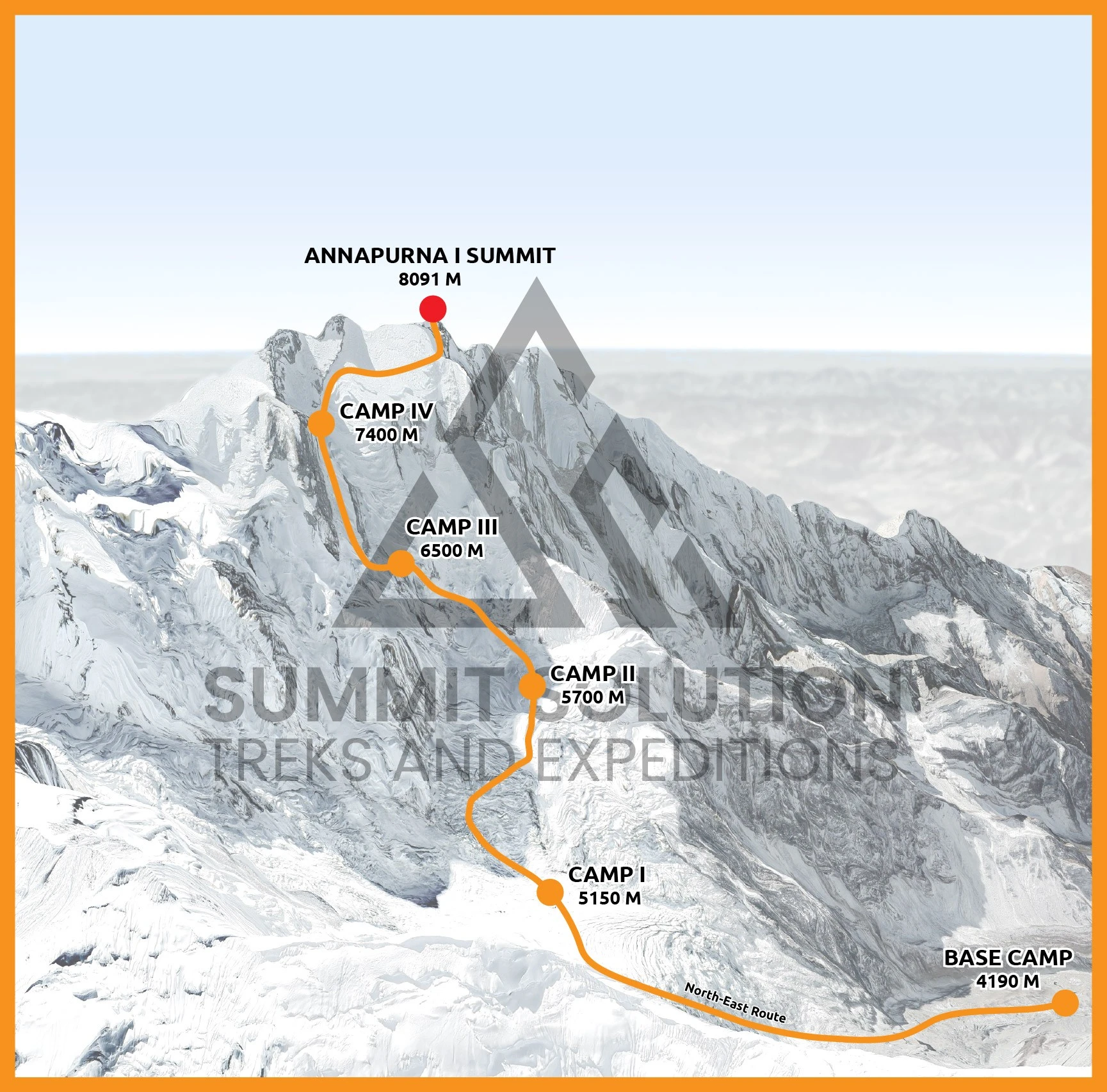
The ascent typically follows the North Face, a steep and complex route requiring climbers to navigate mixed terrain of rock, snow, and ice while moving between several progressively higher camps. Every section is exposed, every hour demands caution, and every decision determines safety. The climb involves long days of effort, often five to seven hours at a time, as climbers ascend through hanging glaciers, traverse icy couloirs, and adjust to extreme altitude. Avalanches are an ever-present threat, and even minor weather shifts can transform the entire mountain, making strategy and timing essential. Yet those who reach the summit of Annapurna I describe it as one of the most powerful and humbling experiences imaginable. The panorama from the top reveals the full sweep of the Annapurna Massif, the towering Dhaulagiri Range, and the vast depth of the Kali Gandaki Gorge, creating a moment that feels both timeless and overwhelming.
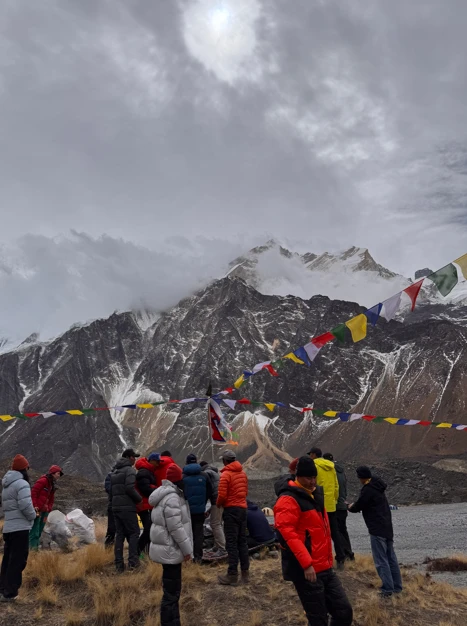
Approaching the mountain is an immersive Himalayan experience on its own. The route to Annapurna Base Camp winds through traditional Gurung and Magar villages, Buddhist monasteries, and lush forested trails, gradually rising into rugged alpine terrain. The region lies within the Annapurna Conservation Area, a protected sanctuary home to snow leopards, Himalayan tahrs, musk deer, and vibrant Himalayan birdlife. The journey combines cultural richness with natural beauty, making Annapurna I not only a mountaineering objective but also a deeply meaningful encounter with Nepal's heritage and landscape.
Climbing Annapurna I demands extensive high-altitude experience and advanced technical skills. It is a peak reserved for bold and accomplished mountaineers who have gained confidence through other major Himalayan expeditions. Many climbers attempt Annapurna only after summiting at least one or more 8,000m peaks, understanding the precision and mental resilience required to face its dangers. The best period for the expedition is during the spring climbing season, particularly April to May, when the weather is more stable and the avalanche risk is significantly lower compared to other times of the year. Although autumn can offer a possible window, spring remains the preferred choice for most expeditions.
For those who accept the challenge, the Annapurna I Expedition becomes far more than a climb. It becomes a journey into the heart of Himalayan history, a confrontation with nature's extremes, and an opportunity to stand on a summit that only a select few in the world have reached. Annapurna I continues to draw climbers who seek not just adventure, but the honor of attempting one of the most respected and dangerous mountains on Earth. With Summit Solution Treks and Expedition, climbers step into the legacy of a mountain that combines danger, beauty, culture, and monumental achievement, offering an experience that remains etched into memory long after the climb is complete.
 Need help with booking:
+977 9768553576/9846049273
 Mail us on:
info@summitsolutionexpeds.com


If you have any queries or would like to make a reservation,
please don’t hesitate to contact us.
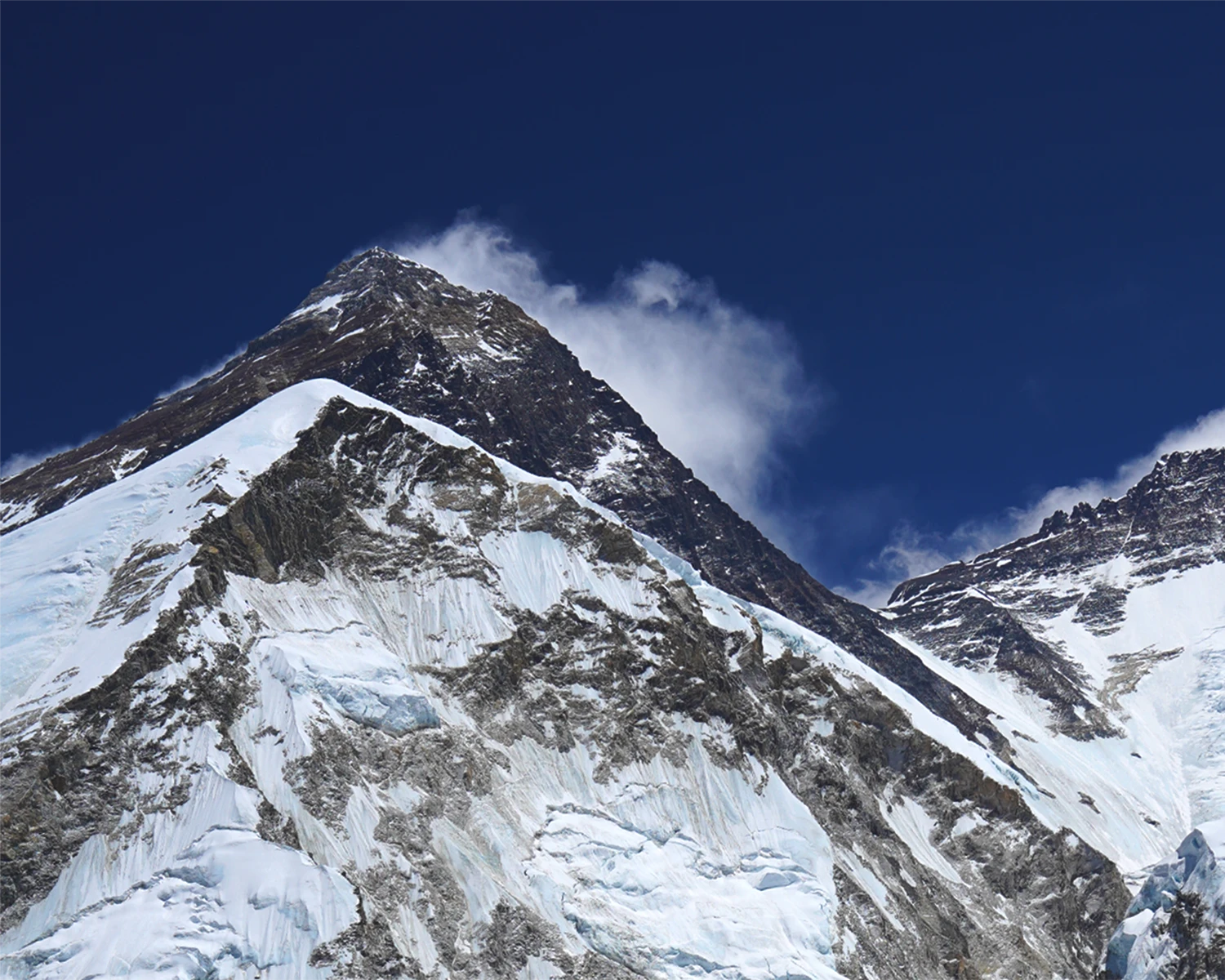
Reach the Pinnacle of Adventure – Stand Tall on the Roof of the World!
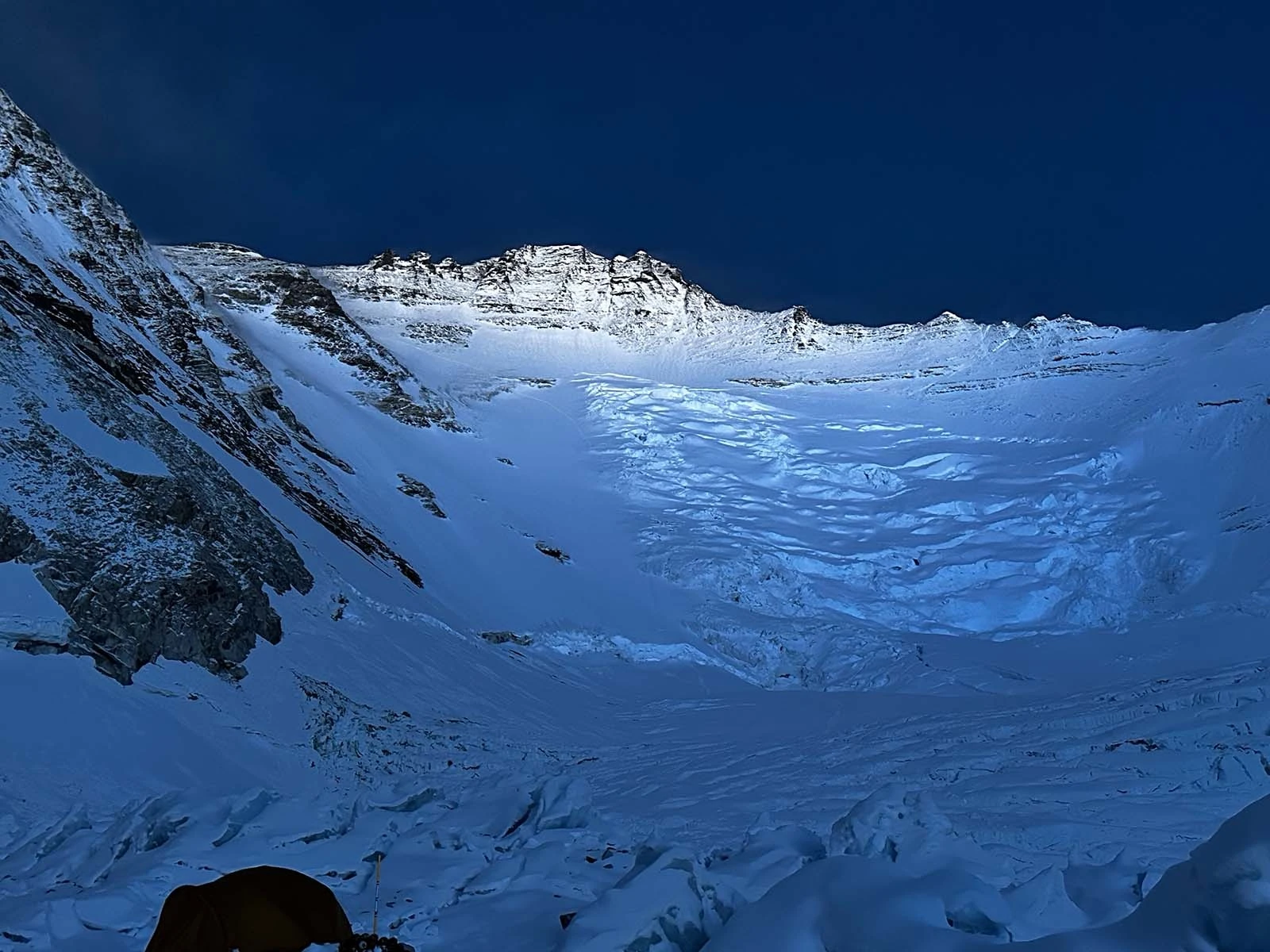
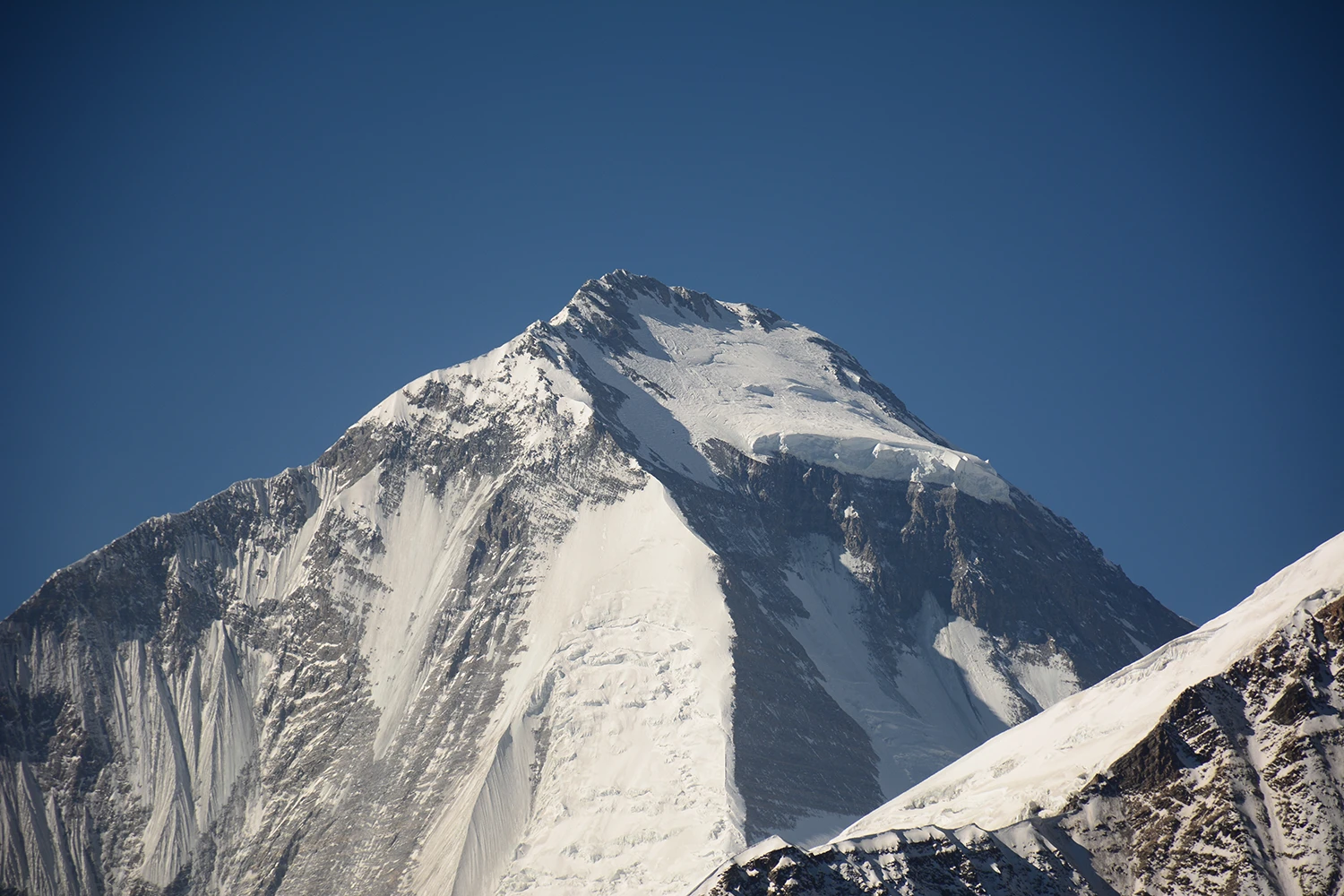
Walk the ridge of ice and light on the White Mountain.